-
Between the Lines at Lyles and King

The glazed stoneware rosettes forming the frame surrounding Stephanie Temma Hier’s painting Her Psychology Today resemble frosting more than anything else. They have the same wooden, stiff, painted-on presence that a thick sugary can of Pillsbury would. The unusual frame would stand out in most white-walled Soho gallery spaces, but in the front room of…
-
NoBody: The Anti-Capitalist Push In Performance Art and the Commodification of Art Ephemera
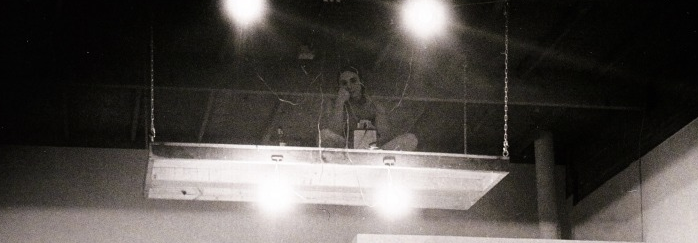
It is 1954. A woman is driving down the pacific coast highway. She stops at Pamona college, drops into an art show, and buys a work of art and begins writing about the local scene. It is 1971. A man is in a room, on a platform, 14 feet above the floor. He screams into…
-
Retelling Mythology
“[S]tereotypes are the west’s stunning sexual personae, the vehicles of art’s assault against nature. The moment there is imagination, there is myth. We may have to accept an ethical cleavage between art and reality, tolerating horrors, rapes, and mutilations in art that we would not tolerate in society. For art is our message from the…
-
“Women’s Work” and Why Labels Matter
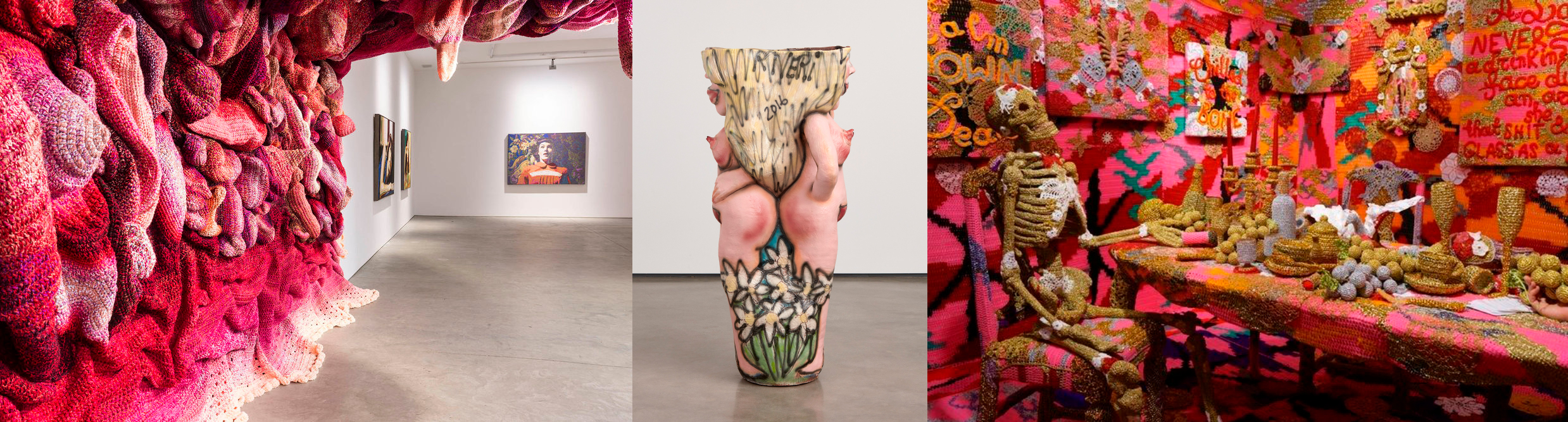
OLEK, Frances Goodman and Ruby Neri In an former ironworks in Avesta Sweden, visitors to Verket walked over and inside of a partially decayed two room structure completely covered in crocheted flowers, glittering rhinestones, and references to feminine allure spelled out in infinite intricate stitches—a piece by the artist known as OLEK. In New York…
-
Caravaggio: The Birth of The Artist as Creator
One is tempted to define Caravaggio simply in opposition to the academic theories of technique in vogue at the time—and certainly many of the most obvious ways in which he deviates from accepted stylistic tradition, most notably his insistence on painting directly from live models even when dealing with a complex multi-figure composition, do seem…
-
Excerpt From: The Phenomenology of Vito Acconci
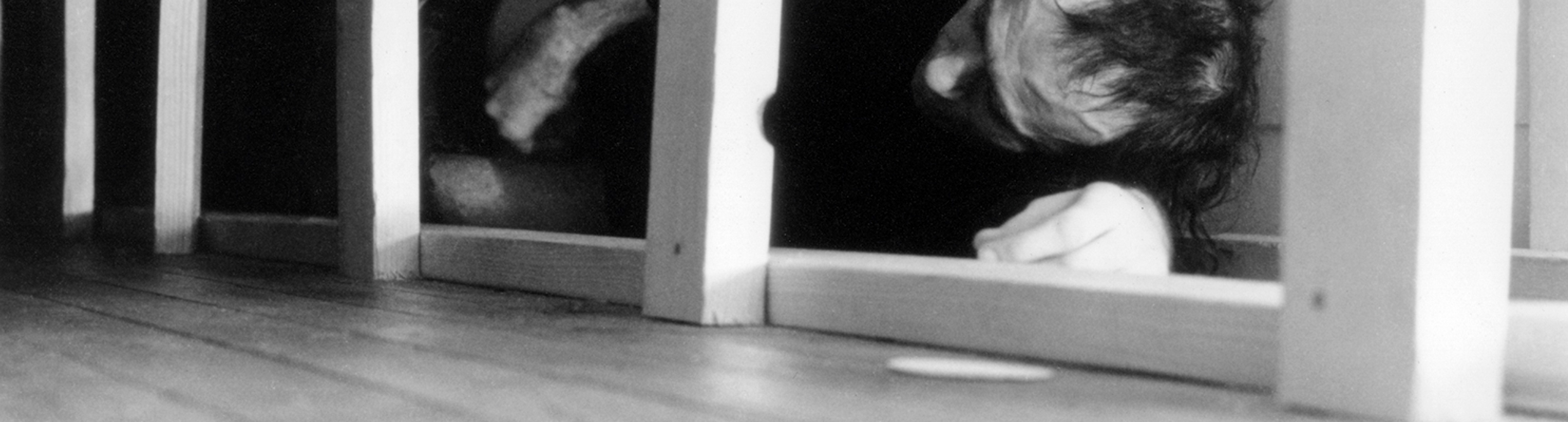
In his essay on “what gives,” Jean-Luc Marion argues that the “authentic” painting channels the unseen, allowing it to attain visibility even as the icon allows something of the unseen to pass through into the world of phenomenon. Even as the gaze passes through the icon, the visibility of the painting passes through the artist…